
Keeping Red Abalone Off the Table… For Now
If we want any hope of a future red abalone fishery, we must maintain the current closure.
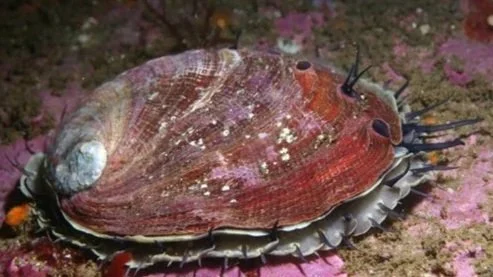
Photo: NOAA
For generations, California’s rocky coastlines were alive with abalone. These beautiful, iconic marine snails sustained Tribal communities, fed families, and are a unique part of our coastal identity. But decades of overharvest along with changes above and below the surface led to fishery closures for six of California’s seven abalone species as populations plummeted. The final closure of the recreational red abalone fishery in 2018 was a necessary step to prevent total collapse. On December 11, 2025, the California Fish and Game Commission will consider whether to extend the current closure for the red abalone fishery. We believe extending the closure for at least 10 years until the population is truly healthy and stable is the best approach.
We say this as ardent advocates for responsible harvest. Fishing—when done with care and respect—connects us to the ocean and to each other. We want future generations of divers and anglers to have even better opportunities than we've had to form and experience that connection to nature. Reopening the fishery before the species is ready would undo years of recovery efforts and risk pushing abalone beyond the point of no return.
A Story of Abundance and Decline
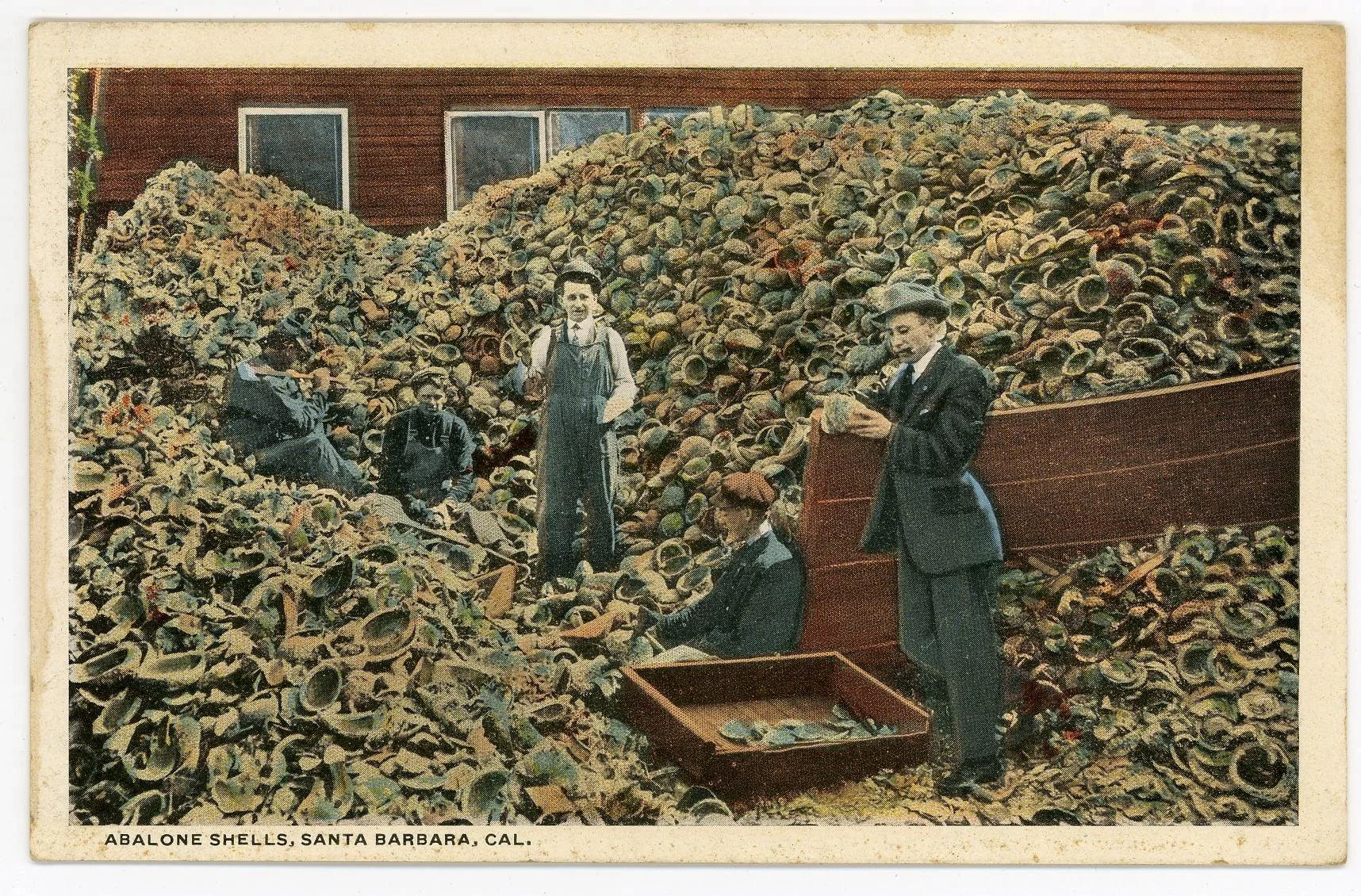
Once abundant along California’s coast, red abalone thrived along with our rich kelp forests, which they rely on for food and habitat. Divers and tidepoolers could find them in shallow reefs from Baja to Oregon, with abundant populations in central and northern California. But in the mid-2010s—already after decades of overharvest and commercial closures—a series of devastating events led to the collapse of the recreational red abalone fishery. Sea Star Wasting Disease nearly wiped out sunflower sea stars, a primary predator of sea urchins. Then, an unprecedented marine heatwave wiped out much of the region’s kelp and as purple urchins exploded in number, they outcompeted abalone for the little kelp that was left. Deprived of their main food source, abalone starved in large numbers. Withering foot syndrome, a disease affecting all of California’s abalone species, is also more prevalent in warmer water and impacted the red abalone population.
The 2018 fishery closure was a difficult but necessary decision. Since then, there have been some signs of localized recovery—but nowhere near the abundance or stability needed to support safe, sustainable harvest. Scientists and resource managers agree that the system remains fragile. And with another marine heatwave now emerging, we risk repeating—or even worsening—the conditions that contributed to this collapse in the first place, especially if we also introduce harvest pressure before the fishery has truly recovered.
Respecting Tribal Rights and Stewardship
Any discussion about reopening the abalone fishery must begin with California’s Native Tribes, who have harvested abalone for millennia as both a vital food and for sacred rituals. We believe that Tribal take should be considered before any general recreational take. These communities have practiced sustainable harvest and stewardship long before modern fishery management existed. Their connection to abalone is not recreational—it’s ancestral. Recognizing this priority is an important step toward equity and honoring California’s commitments to Tribal sovereignty and cultural heritage.
A Cautious Path Forward
We understand the desire to see the fishery reopen and get back in the water. But the ocean is telling us that it’s not ready yet. The combination of lingering ecosystem instability and renewed warming makes any reopening premature. A hasty decision now could cost us far more in the long term, potentially setting back recovery by decades.
By extending the closure, we give abalone a fighting chance to adapt and recover in a changing ocean. We also give ourselves time to strengthen monitoring, support ecosystem restoration, and incorporate Tribal leadership and knowledge into future management plans.
California’s abalone are a symbol of both the beauty and fragility of our coastal ecosystems. Let’s ensure they remain a living part of our ocean heritage—not just another story we tell about what once was.
Sign our letter to the Commission below.
(After signing, consider sharing with your friends, and if you’d like to directly support our work, donate here.)
