
Does CDFW Care About Our Future?
CDFW’s recommendations in the first adaptive management review of California’s Marine Protected Area Network reveal a troubling disconnect between the agency’s mission, the science and the broader public interest.
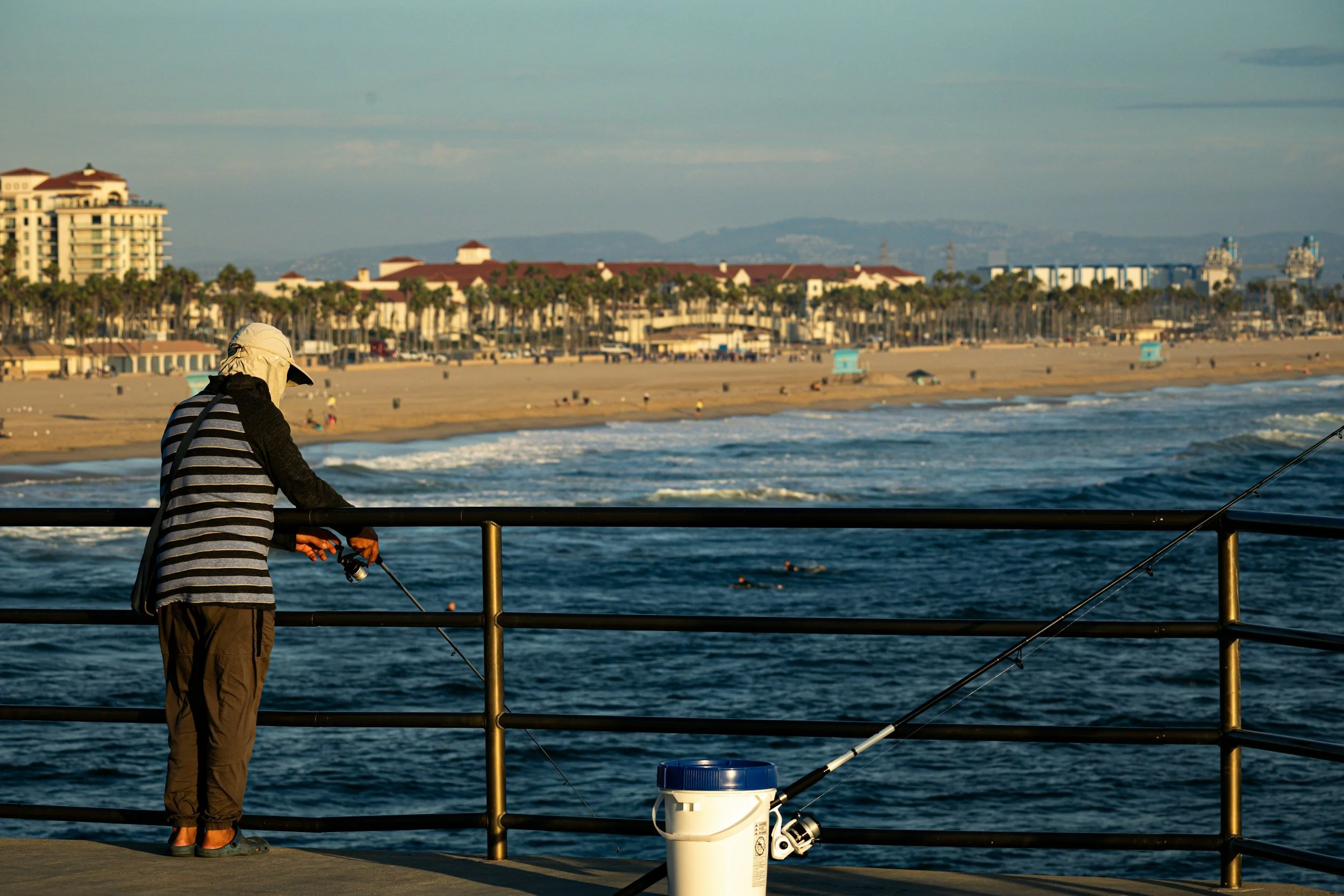
Photo: Jonathan Gong
Last week, California Department of Fish and Wildlife (CDFW) staff released their remaining recommendations on petitions for changes to California’s Marine Protected Area (MPA) Network. This included evaluations of the five Tribally-led petitions and the equitable access and environmental justice analyses they neglected to complete in March. The state’s Ocean Protection Council (OPC)—who is the policy lead on this issue—released their own evaluation of the petitions, as well.
While we don’t agree with everything OPC concluded, they understood the assignment. We’ve already shared our concerns with this process and the opportunities we see for this to actually support our communities in spite of those concerns. OPC’s evaluation considered the latest science, opportunities to mitigate ongoing and imminent threats to our ocean, and opportunities to advance Tribally-led stewardship and marginalized community needs. CDFW’s recommendations are a patronizing exercise in defense of the status quo.
CDFW staff has repeatedly made it clear that this petition process is not something they want to be working on. (Examples: April 14, 2026 20:02; October 9, 2024 03:14:02) We may agree that the process is not ideal, but the agency is required by law to conduct this review, engage in adaptive management and they’ve had a seat at the table as the Fish and Game Commission decided on this process. The public and petitioners should not be punished for playing the hand we were dealt.
This still could be an opportunity to consider reasonable actions to improve the MPA Network and support the communities that continue to be ignored across fishery and ocean management processes. For communities that have been threatened, harassed, intimidated and excluded from decision-making about our shared ocean, CDFW’s logic gymnastics in defense of past decisions is salt in our wounds. It’s further proof that CDFW sees the fishing industry as their only stakeholders, with no duty or obligation to the interests of all Californians.
After years of work, public meetings, scientific review, community input and countless hours spent evaluating our MPAs, state documents and petitions to improve California’s ocean protections, CDFW’s staff recommendations are not in the best interest of the majority of Californians. We deserve better. Fish On will continue to hold state agencies accountable to equity and environmental justice mandates across all of our priority issues.
CDFW’s evaluation of the proposed Mishopshno State Marine Conservation Area is a prime example of both missing the mark on environmental justice by denying Tribal requests, and favoring short-term economic interests over community needs. It is unconscionable that the narrative would attempt to justify to the petitioning Tribe what they should be asking for. The alternative pathway CDFW suggests—a State Marine Cultural Preservation Area—would offer no authority to actually co-manage the natural resources within the area. CDFW also discounts compelling local-use data and information cited by the petitioners in favor of the commercial and sportfishing industries with no counter-evidence to support their claims of socioeconomic impact.
Again and again, CDFW appears to have selectively interpreted the science, answered only the questions that supported their preferred conclusions, relied on anecdotal information from conversations that the broader public was not privy to, and elevated historical decisions over what we have learned since those decisions were made.
Who is CDFW supposed to serve?
CDFW’s mission is straightforward:
“to manage California's diverse fish, wildlife, and plant resources, and the habitats upon which they depend, for their ecological values and for their use and enjoyment by the public”
Their recommendations, across multiple issues, keep benefiting fishing industry profits at the expense of the use and enjoyment of the public. (Example: February 13, 2025 4:29:35) Californians make over 100 million trips to the ocean each year, and about 20 percent of those trips are for fishing. Most of those fishing trips are pier and shore-based, while the vast majority of ocean use is non-consumptive. A recent poll also highlighted that 90 percent of Californians—an overwhelming majority—say MPAs are important. Why, then, do all of us that care about the health of our fisheries and the ecosystems we depend on continue to be left out and left behind?
The equitable access and the justice, equity, diversity and inclusion (JEDI) evaluations laid a strong foundation for how CDFW may truly begin to recognize and incorporate the broad perspectives of California’s diverse communities. However, justice must acknowledge the inequities in current systems and work to correct them. While the JEDI analysis led to an acceptable outcome for Tribally-led petitions, it failed to consider stakeholder biases and systemic injustices of fishery management. As a result, they missed the opportunity to advance the equity and justice opportunities that MPAs do offer for recreational fishing and ocean-going communities. For example, many near-shore species still available to subsistence and shore-based fishers are not monitored, are poorly understood and thus vulnerable to overfishing and habitat loss. (See Current Stock Status in these examples: 1, 2, 3, 4, 5, 6, 7, 8, 9)
While not a perfect solution, MPAs are the only management tool we currently have that can act as a backstop and support the resilience of near-shore fishing communities. By not acknowledging inequities in fishery management, the equitable access and JEDI analyses favor the status quo and continue to leave marginalized fishing communities vulnerable in our ocean management system.
Our communities deserve better
Many recreational fishers have been burdened by steep declines in abundance and quality of near-shore habitats and fisheries. Our communities and the broader public are regularly gaslighted by industry and state agencies into believing that those that profit from the ocean are the only voices that matter. Climate change, sea level rise, contamination and overfishing have consequences for everyone, with compounding impacts on already vulnerable communities. It’s long overdue for CDFW to recognize that the ocean is everyone’s and take action to make our future better rather than leave us behind. Protecting our most vulnerable communities does not happen at the expense of any other community; it ultimately benefits us all.
